Seaweed Story 페이지
It is estimated that Koreans began eating seaweed at least 1,500 years ago. According to the Tang Dynasty text "Chohakki," it was written that "whales eat seaweed after giving birth to recover, and Koreans observed this and fed seaweed to postpartum mothers."
Similarly, the Ming Dynasty text "Bencao Gangmu" recorded that "Koreans love seaweed very much and call it 'kim'."
Even today, seaweed is used in Korea as a postpartum recovery food and has firmly established itself as an essential part of Korean cuisine (K-food), never missing from the Korean dining table.
The heparin in seaweed helps with cholesterol elimination,
and the alginic acid absorbs heavy metals and toxins accumulated in the body,
aiding in their removal.
Seaweed also helps with sodium excretion, and its high dietary fiber content and low calories
make it beneficial for weight loss.
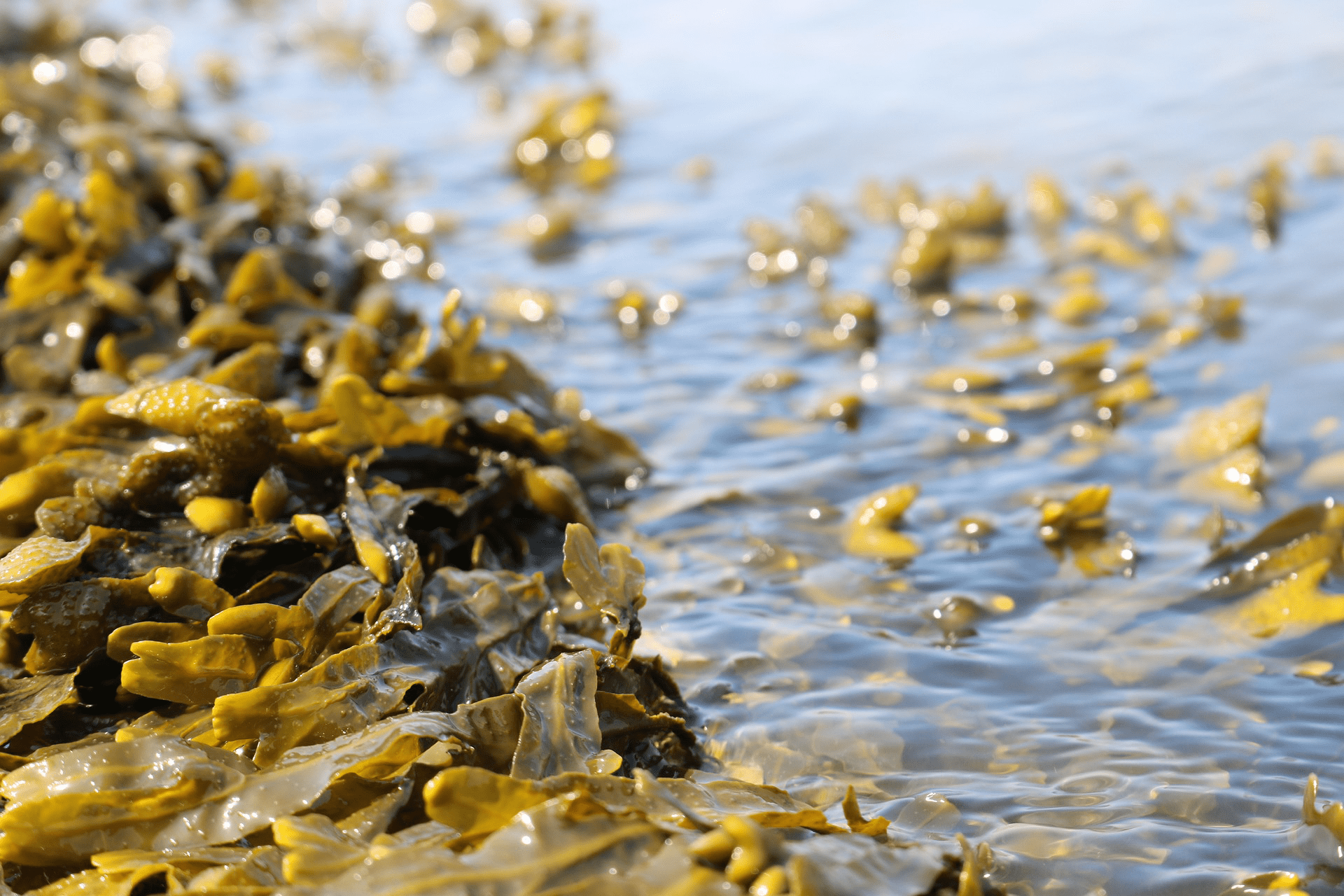

Seaweed helps purify the blood and reduces triglycerides and bad LDL cholesterol levels in the blood vessels.
Additionally, the histamine in seaweed lowers blood pressure and increases vascular permeability,
making it effective in preventing various cardiovascular diseases such as hypertension and arteriosclerosis.
Seaweed contains approximately 7 to 9 times more calcium than milk.
It is also rich in iodine, vitamins, chlorophyll, and iron, making it highly effective for bone health and the prevention of osteoporosis.

Open Food / CEO : Shin Hyuk-ho
/
Business Registration Number : 704-86-00538
TEL : 061-833-3663 /FAX : 061-833-3113
Address : 14, Clean Food Complex-gil, Donggang-myeon, Goheung-gun, Jeollanam-do Open Food
Privacy Officer : Ryu Sang-wook
/
Contact lyu1970@daum.net for more information. ADMIN